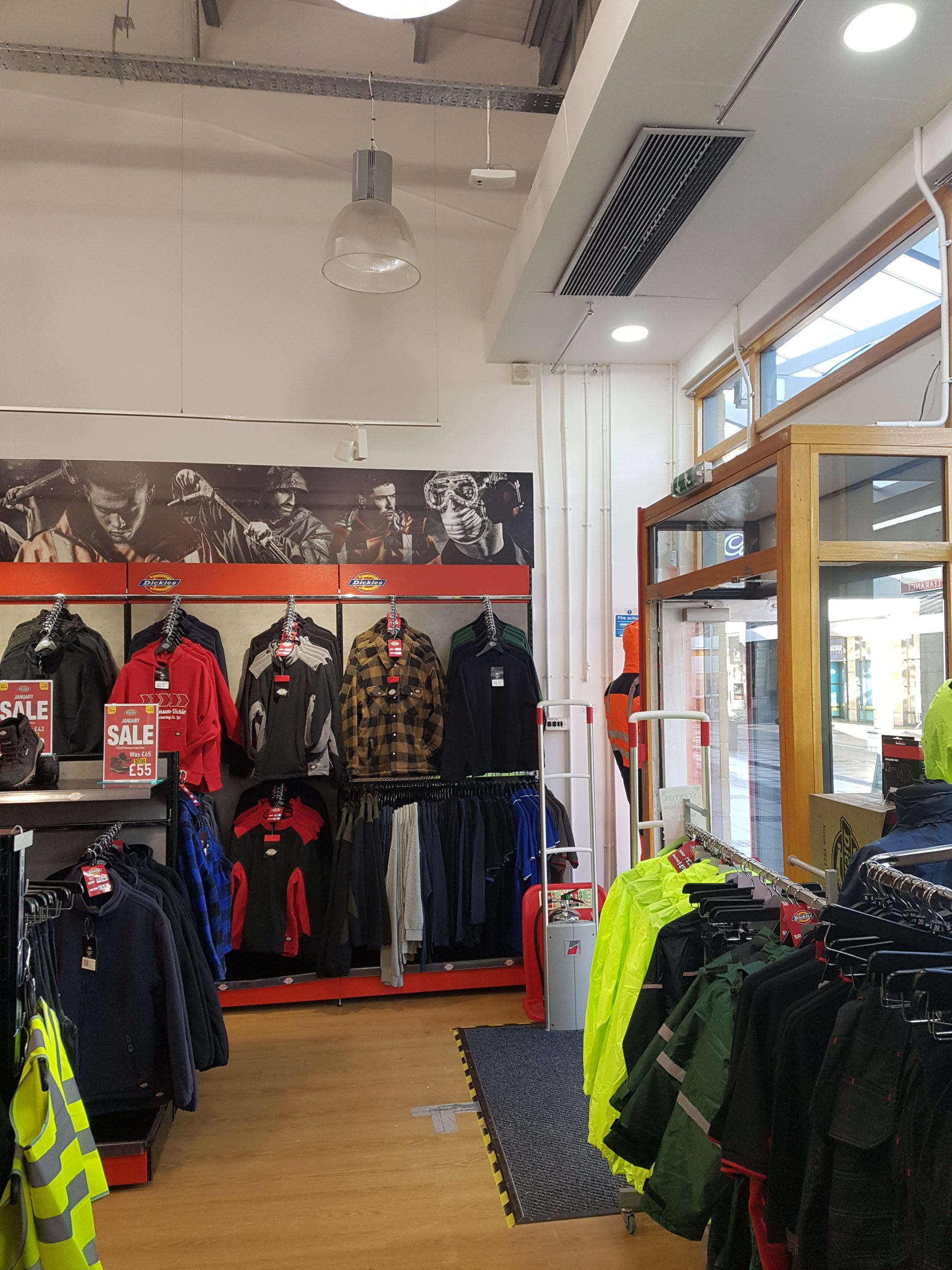
The most immediate ROI comes from using footfall data to improve your conversion rate. When you don’t know your traffic, you don’t know how many sales you are missing. By aligning staff breaks and floor coverage with peak footfall times, staff can serve more people during busy periods
The Maths:
Imagine a store in Mansfield that receives 2,000 visitors per month.
Current State: A 15% conversion rate yields 300 sales. At an average transaction value of £40, the store makes £12,000 a month.
The Improvement: Using footfall data to ensure the floor is properly staffed during peak hours, the store captures just a few more of those missed opportunities, boosting the conversion rate by a mere 1% (to 16%).
The Return: That 16% conversion rate yields 320 sales. The store now makes £12,800 a month.
That extra £800 per month (£9,600 per year) usually covers the annual cost of a footfall system many times over, just from a single 1% improvement.
Staffing is expensive. Footfall systems show you exactly when your store is quiet. If the data reveals that Tuesday mornings consistently see fewer than 10 people per hour, you might realise you are scheduling three staff members when only two are needed.
The Return: Shaving just 5 to 10 unnecessary payroll hours per week can save a store thousands of pounds annually, immediately offsetting the cost of the footfall software.
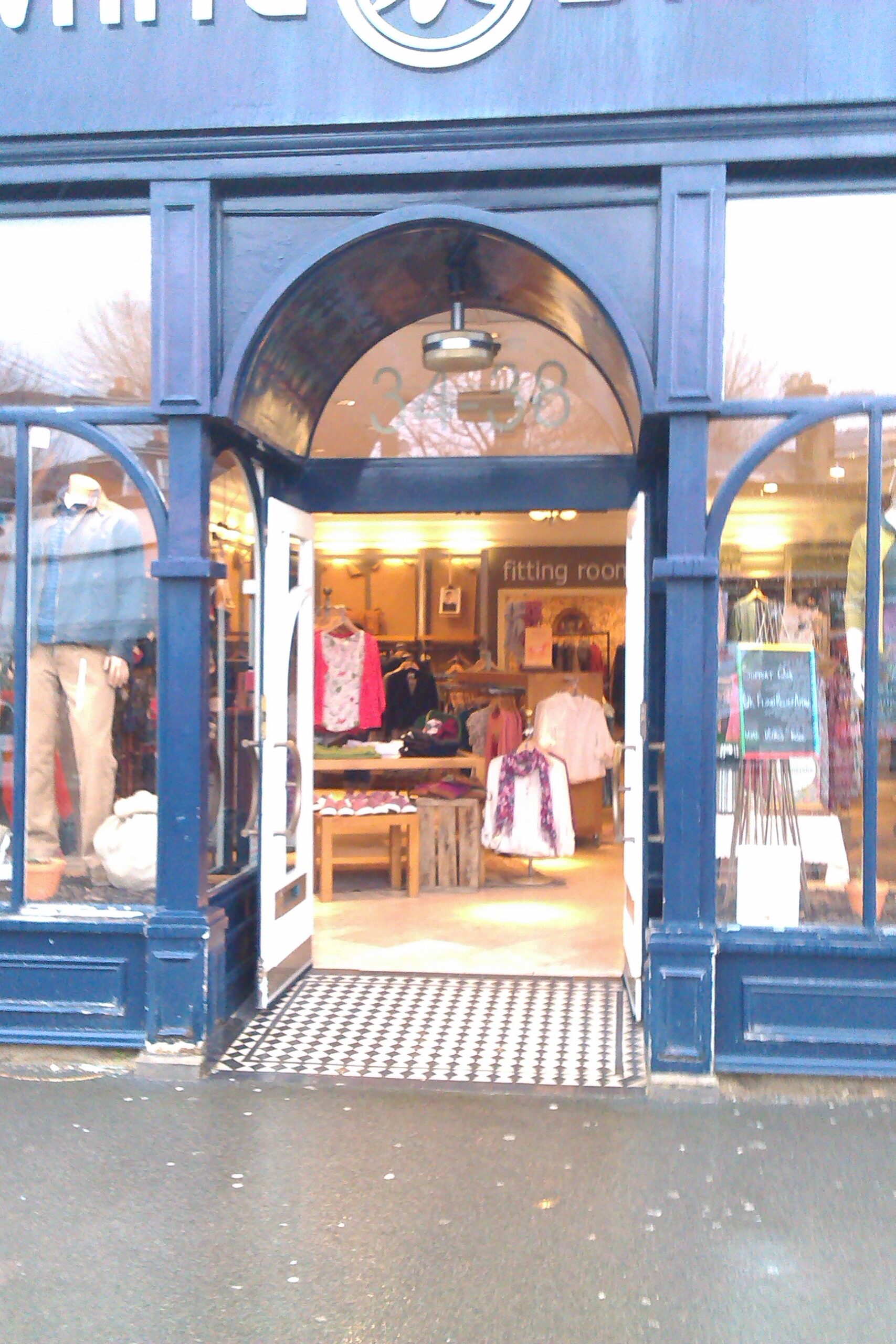
By utilizing heat maps or zone counting, retailers can identify which parts of the store customers are actively avoiding.
The Return: If high-margin items are sitting in a “cold zone” generating zero revenue, footfall data prompts you to move them to a high-traffic area. Liquidating that inventory at full price—rather than marking it down at the end of the season because it wasn’t seen—protects your profit margins.
If you spend £500 on a local advertising campaign or new window signage, looking at sales alone might tell you it failed. But if your footfall system shows that store traffic increased by 20% during the campaign, you know the marketing worked—it brought people to the door. The failure was in the conversion once they got inside (perhaps the product was out of stock or staff were overwhelmed).
The Return: This prevents you from scrapping a highly effective marketing channel just because of a temporary operational issue on the shop floor.
Summary of the ROI Equation:
To calculate your specific ROI, the formula is:
((Financial Gains from Increased Sales + Labor Savings) – Cost of System) ÷ Cost of System = ROI%